Top Tips for Cooking the Perfect Ribeye Steak at Home
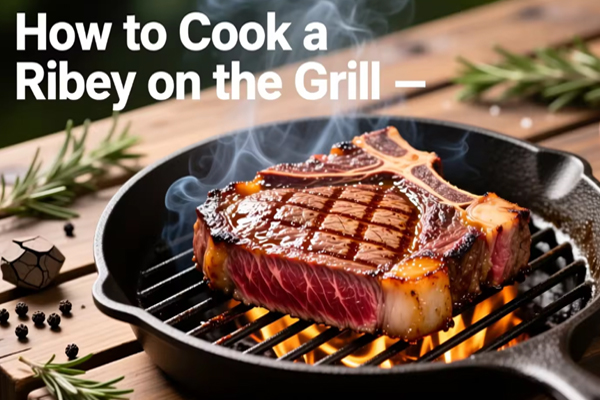
The ribeye is widely considered the king of steaks among meat lovers and chefs alike Known for its incredible marbling rich flavor and buttery texture it is the ultimate indulgence for a home cooked meal However because it is a premium cut the pressure to cook it perfectly can be intimidating
You do not need a professional steakhouse kitchen to
achieve a world class crust and a tender juicy center With the right technique
and a little patience you can master the art of the ribeye in your own kitchen
Here is the definitive guide to cooking the perfect ribeye steak at home
1 Start with Quality Meat
The secret to a great steak starts at the butcher counter
When shopping for a ribeye look for intensive marbling those small white flecks
of intramuscular fat are what melt during cooking to provide flavor and
tenderness
- The
Cut If possible go for a thick cut at least 1 5 to 2
inches thick Thin steaks cook too quickly in the middle before a proper
crust can form
- Grass
Fed vs Grain Fed Grass fed beef often has a more complex
earthy flavor while grain fed beef tends to have higher marbling and a
milder buttery taste
2 The Importance of Room Temperature
Never take a steak straight from the fridge and drop it
into a hot pan Cold meat will cause the pan temperature to plummet and the
outside will char while the inside remains raw
- The
Tip Take your ribeye out of the refrigerator at least 30
to 60 minutes before cooking This ensures the heat penetrates the center
evenly resulting in a perfect edge to edge pinkness
3 Salt Early and Generously
Seasoning is not just about flavor it is about chemistry
Use a generous amount of coarse sea salt or Kosher salt
- The
Timing Salt your steak at least 40 minutes
before cooking The salt draws out moisture dissolves into a brine and is
then reabsorbed into the meat breaking down muscle fibers for a more
tender result If you do not have 40 minutes season it immediately before
it hits the pan
4 Use the Right Pan
To get that iconic dark brown crust known as the Maillard
reaction you need a pan that can hold intense heat
- Cast
Iron is King A cast iron skillet is the best tool for
the job because it retains heat exceptionally well
- Avoid
Non Stick Non stick pans cannot handle the high
temperatures required for a proper sear and can release harmful fumes when
overheated
5 The Searing Technique
Get your pan smoking hot before adding the oil Use an oil
with a high smoke point like avocado oil or grapeseed oil rather than butter which will burn too quickly
- The
Sear Place the steak in the pan and press down slightly to
ensure maximum contact Sear for about 2 to 3 minutes per side without
moving it to allow the crust to develop
- The
Fat Cap Do not forget to use tongs to hold the
steak on its side to render down the thick strip of fat along the edge
6 Butter Basting The Secret Ingredient
Once you have flipped the steak and are nearing the final
minute of cooking it is time to add the "Steakhouse Finish"
- The
Aromatics Drop in a large knob of unsalted butter
two crushed garlic cloves and a few sprigs of fresh rosemary or thyme
- The
Baste Tilt the pan and use a large spoon to continuously
pour the foaming hot infused butter over the steak This adds a deep nutty
flavor and keeps the meat incredibly moist
7 Use a Meat Thermometer
Relying on the "finger poke test" is unreliable
for beginners To ensure your ribeye is exactly how you like it use an instant
read digital thermometer
- Rare
120 to 125 F
- Medium
Rare 130 to 135 F (The sweet spot for ribeye to melt the
fat)
- Medium
140 to 145 F
8 The Most Important Step Resting
The hardest part of cooking a steak is waiting to eat it
but resting the meat is non negotiable When meat cooks the muscle fibers
tighten and push juices toward the center
- The
Rule Transfer the steak to a warm plate or cutting board
and let it rest for at least 10 minutes This allows the fibers to relax
and redistribute the juices If you cut it too soon all that flavor will
run out onto the board leaving the meat dry
Checklist for Success
9 The Science of the Crust Achieving the
Maillard Reaction
To truly elevate your ribeye you must understand the
Maillard reaction This is the chemical process between amino acids and reducing
sugars that gives browned food its distinctive flavor It is not just about
browning it is about creating hundreds of different flavor compounds that do
not exist in raw meat To maximize this reaction your steak must be bone dry
before it hits the pan Any surface moisture will turn into steam which acts as
a barrier between the meat and the heat preventing that crispy mahogany crust
from forming Always use paper towels to pat the meat dry on all sides including
the edges immediately before seasoning
10 Choosing the Right Fat for the Sear
While butter is essential for flavor it is a poor choice
for the initial sear because its milk solids burn at a low temperature of
around 150°C For a ribeye you want a pan temperature closer to 200°C to 230°C
Start with a neutral oil that has a high smoke point like avocado oil or
refined light olive oil This allows you to get the pan screaming hot without
filling your kitchen with acrid smoke Once the crust is locked in and you
reduce the heat slightly that is when you introduce the butter to finish the cooking
process and add that signature velvety mouthfeel
11 The Reverse Sear Method for Thick Steaks
If your ribeye is exceptionally thick (over 2 inches) you
might find the traditional pan sear leaves the middle too cold while the
outside overcooks In this case the reverse sear is your best friend You start
by placing the seasoned steak in a low oven at about 120°C until the internal
temperature reaches 45°C
You then remove it let it rest for a moment and finish it
with a lightning fast sear in a hot pan This method provides the most even edge
to edge pinkness and is highly recommended for premium bone in cuts like the
Cowboy or Tomahawk ribeye
12 Decoding the Ribeye Cap
The ribeye is actually composed of two main muscles the
longissimus dorsi (the eye) and the spinalis dorsi (the cap) The cap is the
outer muscle that wraps around the eye and it is widely considered the most
delicious piece of beef on the entire animal It has a looser grain and
significantly more fat infiltration
When cooking keep this in mind as the cap will often cook
slightly faster than the center eye By using the butter basting technique
mentioned earlier you can protect the cap from drying out while the denser
center reaches your desired doneness
13 Slicing and Presentation
How you cut your steak can be just as important as how you
cook it Always look for the direction of the muscle fibers (the grain) and
slice against it Slicing against the grain shortens
The fibers making each bite much easier to chew and more
tender on the palate If you have cooked a bone in ribeye slice the meat away
from the bone first then fan out the slices and place the bone back on the
platter for a rustic professional presentation Sprinkle a final pinch of flaky
Maldon salt over the sliced meat to make the juices pop and provide a slight
crunch that contrasts beautifully with the tender beef