A Beginners Guide to Applying Hard wax Oil for a Natural Look
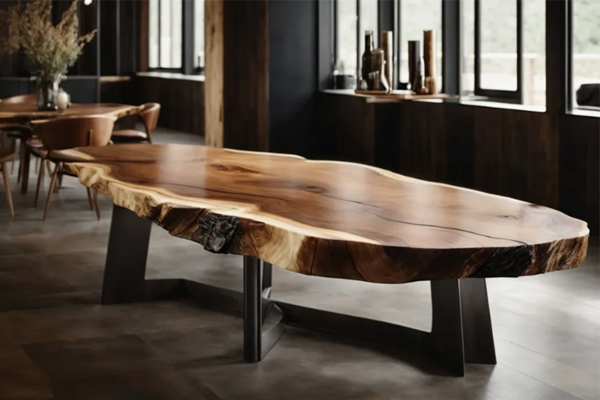
Interior design the beauty of natural timber is hard to beat Wood brings a sense of warmth character and organic texture to any space However wood is also a porous material that needs protection from spills dust and daily wear The challenge for many homeowners is finding a finish that protects the wood without making it look like it is trapped under a thick layer of plastic This is where hardwax oil enters the conversation as the ultimate solution for those who crave a raw and authentic aesthetic.
What is Hardwax Oil and Why is it Different
Before picking up a brush it is essential to understand
what makes hardwax oil unique Most traditional wood finishes fall into one of
two categories film forming or penetrative.
Film forming finishes like polyurethane sit on top of the
wood creating a hard plastic shell While very durable they often leave the wood
looking unnatural and feeling cold to the touch If the film scratches you often
have to sand the entire surface to fix it Penetrative finishes like traditional
oils soak into the fibers but offer very little protection against liquid
spills or abrasion.
Hardwax oil is a hybrid of both worlds It is made from a
blend of natural vegetable oils such as linseed sunflower and soy and natural
waxes like carnauba and candelilla The oils soak deep into the wood grain to
nourish it from within while the waxes stay near the surface to create a
breathable yet water resistant barrier This results in a finish that feels like
real wood but performs like a modern coating.
The Benefits of a Hardwax Oil Finish
Choosing a finish is a big decision for any project Whether
you are working on a solid oak floor a reclaimed dining table or a set of
floating shelves hardwax oil offers several distinct advantages.
1 The Aesthetic of Bare Wood
The primary reason people choose hardwax oil is the look
Unlike high gloss varnishes which can look dated or artificial hardwax oil
enhances the natural grain and color of the timber It provides a soft matte or
satin sheen that looks as if the wood has been perfectly preserved rather than
coated.
2 Durability Meets Breathability
Hardwax oil does not crack flake or peel Because it remains
microporous it allows the wood to breathe which is vital for maintaining the
structural integrity of the timber over time It is surprisingly resistant to
common household liquids like wine coffee and juice.
3 Ease of Repair
This is perhaps the biggest selling point for long term
homeowners If a specific area of your floor or table gets scratched you do not
need to sand the whole room You can simply clean the damaged area lightly sand
it and apply a small amount of fresh oil It blends seamlessly with the
surrounding finish making maintenance incredibly low stress.
Preparing Your Wood for Success
The secret to a professional finish is 90 percent
preparation and 10 percent application If the wood surface is not prepared
correctly the oil will highlight every imperfection rather than hide it.
Step 1 Sanding the Surface
Start with a medium grit sandpaper around 80 grit to remove
any old finish or rough spots Gradually move up to 120 grit and then finish
with 150 grits for furniture some prefer to go up to 180 grits but avoid going
too fine If the wood is sanded too smooth the pores will close up and the oil
will not be able to penetrate deeply enough.
Step 2 Dust Removal
Once sanding is complete you must remove every speck of
dust Use a vacuum first then follow up with a tack cloth or a lint free cloth
dampened with white spirit Residual dust will create a gritty texture in your
final finish which ruins the tactile experience of the wood.
Step 3 Checking the Moisture
Ensure the wood is completely dry and has acclimated to the
room temperature Wood that is too damp will repel the oil leading to a patchy
and uneven appearance
The Application Process a Step-by-Step Guide
Now that your surface is smooth and clean it is time to
apply the hardwax oil The goal is to apply the oil thinly and evenly
The Tools You Will Need
- High
quality synthetic bristle brush
- Short
pile microfiber roller for floors
- Lint
free cotton cloths for buffing
- A
paint tray
Applying the First Coat
Stir the tin thoroughly before use as the waxes often
settle at the bottom Dip your brush or roller and apply the oil in the
direction of the wood grain Work in small manageable sections to ensure you do
not miss any spots The wood will look significantly darker and richer as soon
as the oil touches it
The Buffing Technique
After applying the oil let it sit for about 5 to 10 minutes
On furniture take a clean lint free cloth and gently buff away any excess oil
that hasn't soaked in You want the surface to look wet but not puddled For
floors you can often leave the oil to dry as applied as long as it was put on
very thinly
Drying Time
Hardwax oil requires oxygen to cure properly Ensure the
room is well ventilated Leave the first coat to dry for at least 8 to 12 hours
though 24 hours is safer if you live in a humid environment The surface should
feel dry to the touch and no longer tacky before you move on
Applying the Second Coat
Once the first coat is dry you may notice the wood feels
slightly rough This is because the oil can cause the wood fibers to stand up a
phenomenon known as grain raising Lightly de nib the surface with a very fine
abrasive pad or 240 grit sandpaper then wipe away the dust Apply a second thin
coat using the same method as before Two coats are usually sufficient for most
projects
Common Mistakes to Avoid
Even for beginners the process is straightforward but there
are a few pitfalls that can derail your project
- Applying
Too Much Oil This is the most common error Hardwax oil
is high in solids content meaning a little goes a long way If you apply it
too thickly it will take days to dry and may leave a sticky or patchy
finish
- Poor
Ventilation Without fresh air the oils cannot oxidize
and harden Keep windows open or fans running to speed up the curing
process
- Ignoring
the Grain Always work with the grain working across
it can leave visible streaks and marks that are difficult to fix once the
oil has dried
Long Term Care and Maintenance
To keep your natural wood looking its best you need to move
away from harsh chemical cleaners Standard multipurpose sprays often contain
degreasers that will strip away the protective wax over time
For daily cleaning use a damp cloth and a specialized wood
soap designed for oiled surfaces These soaps often contain a small amount of
wax that helps replenish the finish every time you clean About once every year
or two depending on usage you can apply a maintenance oil or liquid wax cleaner
to high traffic areas to revive the luster without the need for sanding.
All Related Blogs
The Truth About Memory Foam Why Traditional Options Often Fail

Furniture Direct Online Discount Codes: Save on Decor
Wholesale Domestic UK: Home & Domestic Products
Exclusive Pro Breeze UK Voucher Codes & Home Appliance Deals
Lights 4 Living Discount Codes: Your Guide to Saving

Luff Sleep UK Promo Codes – Save on Mattresses & Sleep Essentials

Save on Home Décor with Arredatutto IT Voucher Codes 2026

The Ultimate Guide to Setting Up a Smart Home on a Budget

Top 10 Benefits of Using an Air Purifier at Home