The Truth About Memory Foam Why Traditional Options Often Fail
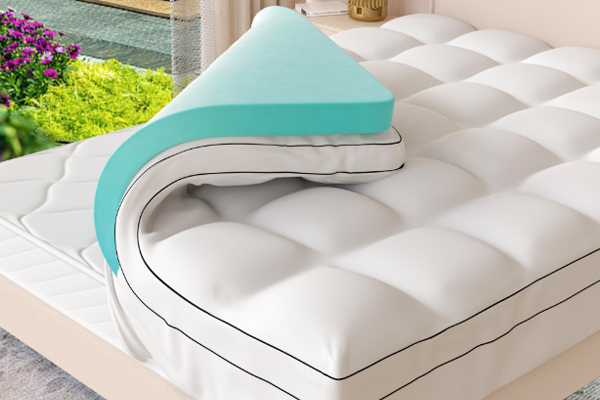
For decades memory foam has been marketed as the gold standard of sleep comfort improve seat safety and crash protection for pilots it quickly transitioned into the bedroom as a miracle material promised to solve every back ache and restless night However as millions of sleepers have discovered traditional memory foam often fails to live up to the hype
In this exploration we will uncover the structural flaws of
standard memory foam and explain why the quest for a soft sinking feeling might
be the very thing standing between you and a healthy night of rest
The Sinking Trap The Support Paradox
The most famous characteristic of traditional memory foam
is its ability to contour to your body shape by reacting to heat and pressure
While this feels pleasant for the first five minutes it creates a significant
problem for spinal health
Memory foam is designed to yield When you sink into a
mattress or pillow the material loses its structural integrity Traditional foam
provides plenty of comfort but almost zero support Because it continues to
compress under your weight throughout the night your spine often falls out of
neutral alignment Leading to that all too familiar morning stiffness in the
neck and lower back
The Heat Retention Issue
One of the biggest complaints about traditional memory foam
is that it runs hot Standard memory foam is a dense petroleum-based product
with a closed cell structure to contour to your body it relies on absorbing
your body heat which softens the foam
Once that heat is trapped it has nowhere to go the result
is a thermal oven effect that can disrupt your REM sleep cycle Higher body
temperatures signal to the brain that it is time to wake up leading to a
fragmented night of tossing and turning in search of a cool spot on the pillow
The Quicksand Effect and Muscle Fatigue
Have you ever tried to roll over on a memory foam mattress
and felt like you were fighting your way out of a hole This is known as the
quicksand effect Because the foam takes time to recover its shape it resists
your natural movements
During the night your body needs to make micro adjustments
to maintain circulation and comfort Traditional memory foam makes these
movements difficult forcing your muscles to work harder even while you are
asleep Instead of waking up refreshed your body feels fatigued because it has
been physically exerting itself just to change positions
Off Gassing and Chemical Odors
Traditional memory foam is often manufactured using a
complex cocktail of chemicals including polyols and isocyanates When a new
mattress or pillow is unboxed it frequently releases a strong medicinal smell
known as off gassing
While many modern brands have worked to reduce volatile
organic compounds VOCs the dense synthetic nature of traditional foam means
that those sensitive to smells or with respiratory issues may find the initial
experience unpleasant or even irritating
Why Proper Support Trumps Softness
The sleep industry has spent years convincing consumers
that softness equals luxury However the medical reality is that your body needs
stability Your head weighs approximately five kilograms and your neck must
support that weight in a very specific alignment to prevent nerve compression
and muscle strain
When a pillow is too soft as most traditional memory foam
pillows are the weight of your head bottoms out the material This leaves the
delicate structures of the cervical spine unsupported for eight hours a day
Traditional options fail because they prioritize the sensation of comfort over
the clinical necessity of posture
The Future of Sleep Innovation
The failure of traditional memory foam has paved the way
for a new generation of sleep technology Innovation is now focused on materials
that offer the pressure relief of foam without the heat retention or the
sinking sensation
Modern gravity defying foams are engineered with an open
cell structure that allows air to flow freely keeping the surface cool
Furthermore these advanced materials are designed with specific densities to
provide a push back effect This ensures that while the foam contours to your
shape it never stops supporting your weight keeping your spine in a perfect
neutral line.
Why the Levitex Sleep Posture Mattress is a
Game Changer for Your Spine
For years, the mattress industry has sold us a dream based
on a lie: that softness is the ultimate measure of luxury. We have been
conditioned to believe that sinking into a cloud-like surface is the best way
to rest. However, as thousands of people living with chronic back pain and
morning stiffness can attest, softness often leads to a physical nightmare.
The Levitex Sleep Posture Mattress is not just another
bed-in-a-box, it is a clinical intervention designed to solve the comfort vs.
support paradox. By focusing on the science of spinal alignment rather than the
marketing of fluff, Levitex has created a surface that prioritizes your health
as much as your sleep.

1. Beyond the Softness Trap
Most mattresses fail because they are designed to yield.
When a mattress is too soft, the heaviest parts of your body your hips and
shoulders sink too deep. This creates a hammock effect, forcing your spine into
an unnatural curve for eight hours.
The Levitex mattress utilizes high-density, gravity-defying
foam that provides a push-back sensation. Instead of letting you sink until you
hit a hard base layer, the foam actively supports your body weight, maintaining
a neutral spine regardless of whether you are a side sleeper or a back sleeper.
2. Gravity Defying Foam: The Clinical
Difference
The heart of this mattress is the proprietary Levitex foam.
Unlike traditional memory foam, which relies on body heat to soften and
contour, Levitex foam is pressure-responsive.
- No
Quicksand Feeling: You was not feel trapped in a hole.
The foam has a rapid recovery rate, allowing you to turn over naturally
without physical exertion.
- Temperature
Neutrality: Because it does not rely on heat to
function, it does not trap thermal energy. This keeps you cool throughout
the night without the need for artificial cooling gels that eventually
fail.
3. Addressing the Three Pillars of Sleep
Posture
Levitex designed this mattress to address the three
critical stages of sleep health:
Pressure Relief
The foam top layer distributes your body weight evenly
across the surface. This eliminates pressure points on the hips and shoulders,
which are the primary causes of tossing and turning. When pressure is relieved,
blood flow improves, and your nervous system can truly relax.
Spinal Alignment
By providing a stable base, the mattress ensures that your
vertebrae remain in a straight line. This prevents the micro-stretching of
ligaments and tendons that leads to delayed onset back pain that sharp ache you
feel only when you wake up in the morning.
Resistance to Gravity
Gravity is the enemy of posture. Even while lying down,
gravity is pulling your midsection toward the earth. The Levitex Sleep Posture
Mattress is engineered with the ideal resistance levels to counteract this
force, keeping your body on top of the mattress rather than in it.
4. Why Posture Matters at Night
We spend a third of our lives in bed. If you spent eight
hours a day hunched over a desk, you would expect back pain; the same logic
applies to your sleep. Poor sleep posture is a leading contributor to:
- Chronic
lower back pain
- Cervical
tension and headaches
- Sciatica
flare ups
- Poor
daytime energy levels
By switching to a mattress designed by posture experts and
clinicians, you are effectively resetting your body every night.
5. Is the Levitex Mattress Right for You?
This mattress is specifically designed for individuals who
are tired of waking up feeling older than they are. It is the ideal choice for
athletes looking for better recovery, office workers battling tech-neck,and
anyone who has realized that their current comfortable mattress is actually
causing them pain.
Investing in a Levitex Sleep Posture Mattress is an
investment in your long-term mobility. It is time to stop sleeping on a cloud
and start sleeping on a foundation of clinical science. Your spine will thank
you.
All Related Blogs

Day vs Night Finding the Perfect Pad for Every Hour of Your Cycle

Audible for Families Best Narrated Stories for Kids and Teens

How to Choose Sustainable Storage Eco Friendly Rattan and Kubu Solutions
A Beginners Guide to Applying Hard wax Oil for a Natural Look

Solar Plexius Discount Codes: Real UK Savings Guide
Orange County CBD Discount Codes: The Real Savings Guide
All Oils Discount Codes: The Ultimate Savings Guide for Enthusiasts and DIYers
Craft Buddy Discount Codes: The Ultimate Savings Guide for Crafters

The Truly Gift Guide Luxury Presents That Do Not Break the Bank