Why Sustainable Pearl Farming Is the Future of Ethical Luxury
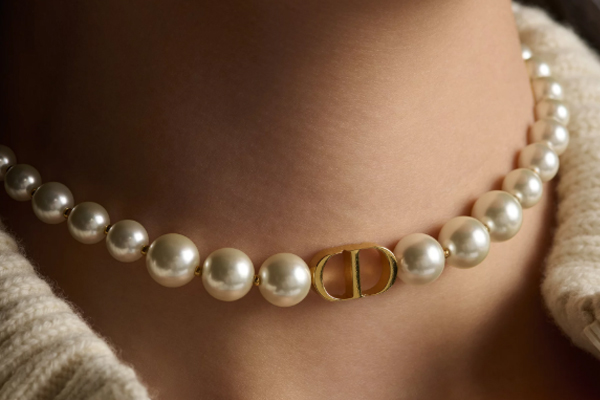
Luxury is no longer defined solely by rarity, price, or prestige, true luxury is measured by responsibility how a product is made, where it comes from, and the impact it leaves behind. As consumers become more informed and intentional, the demand for ethical and sustainable alternatives is transforming the jewellery industry. Among all luxury materials, pearls stand out as one of the most naturally sustainable and ethically aligned options available.
Sustainable pearl farming is not just an innovation it is a
powerful example of how beauty, craftsmanship, and environmental responsibility
can coexist. It offers a glimpse into the future of luxury, where elegance is
deeply connected to purpose.
The Evolution of Luxury: From Excess to Ethics
For decades, luxury was associated with opulence and
exclusivity. The more rare or difficult a material was to obtain, the more
valuable it seemed. However, this traditional model often came at a hidden cost
environmental degradation, unethical labor practices, and unsustainable
extraction methods.
Today, a new generation of consumers is redefining these
standards. They are choosing quality over quantity, transparency over mystery,
and sustainability over excess. Luxury is becoming more personal and more
meaningful. It is no longer about owning something expensive; it is about
owning something that aligns with your values.
This shift has paved the way for sustainable pearl farming
to emerge as a leader in ethical luxury.
What Is Sustainable Pearl Farming?
Sustainable pearl farming is the practice of cultivating
pearls in a way that protects the environment, supports local communities, and
ensures long-term ecological balance. Unlike traditional mining, which removes
resources from the earth, pearl farming works with nature rather than against
it.
Pearls are formed inside oysters or mollusks when a small
irritant is introduced. Over time, the organism coats the irritant with layers
of nacre, creating a pearl. Farmers carefully manage this process in controlled
marine environments, ensuring both the health of the oysters and the quality of
the pearls.
The key difference lies in intention. Sustainable pearl
farming prioritizes environmental stewardship, ethical labor, and responsible
production practices at every stage.
A Naturally Eco-Friendly Gem
One of the most compelling reasons pearls are considered
sustainable is their minimal environmental footprint. Unlike diamonds or other
gemstones, pearls do not require mining, drilling, or heavy industrial
processes.
No Destructive Extraction
Mining for gemstones often involves large-scale land
disruption, deforestation, and water pollution. In contrast, pearl farming
takes place in oceans, lakes, and rivers without altering the natural
landscape. There is no excavation, no blasting, and no permanent damage to
ecosystems.
Low Carbon Impact
Pearl farms typically operate with lower energy consumption
compared to mining industries. The process relies more on natural conditions
than machinery, reducing carbon emissions and environmental strain.
Biodegradable and Organic
Pearls are one of the few organic gems in the world. They
are created by living organisms and are completely biodegradable. This makes
them an environmentally friendly choice in an industry often dominated by
synthetic and non-renewable materials.
Pearls as Environmental Guardians
What makes pearl farming truly unique is that it does not
just avoid harm it can actively benefit the environment.
Natural Water Filtration
Oysters are powerful filter feeders. Each oyster can filter
significant amounts of water daily, removing pollutants, algae, and excess
nutrients. This natural process helps maintain clean and balanced aquatic
ecosystems.
In many cases, pearl farms contribute to improving water
quality in their surrounding areas. Cleaner water supports marine biodiversity,
creating healthier habitats for fish, plants, and other aquatic life.
Supporting Biodiversity
Sustainable pearl farms often act as safe zones for marine
life. The structures used to cultivate oysters can provide shelter for fish and
other organisms, enhancing local biodiversity.
By maintaining stable and healthy environments, pearl
farmers play a direct role in preserving ecosystems that might otherwise be
threatened by pollution or overfishing.
Ethical Impact on Communities
Sustainability is not only about the environment it is also
about people. Ethical pearl farming supports communities in ways that many
other luxury industries do not.
Fair Employment Opportunities
Pearl farms are often located in coastal or rural regions
where economic opportunities may be limited. By providing stable jobs, fair
wages, and safe working conditions, these farms contribute to the well-being of
local communities.
Preserving Traditional Skills
Pearl cultivation is both a science and an art. Many farms
rely on generations of expertise passed down through families. Supporting
sustainable pearl farming helps preserve these traditional skills and cultural
practices.
Animal Welfare in Pearl Farming
Ethical pearl farming also considers the well-being of the
oysters. While the process involves human intervention, advancements in
techniques have significantly improved how oysters are handled and cared for.
Responsible farms ensure that oysters are kept in optimal
conditions, minimizing stress and promoting natural growth. Many oysters can
produce multiple pearls over their lifetime, further reducing environmental
impact.
The Role of Innovation in Sustainable Pearl
Farming
Modern technology is enhancing the sustainability of pearl
farming even further. Innovations in water monitoring, farming techniques, and
environmental management are helping farmers reduce waste and improve
efficiency.
Some farms are integrating eco-friendly practices such as:
- Monitoring
water quality using advanced sensors
- Reducing
plastic use in farming equipment
- Supporting
marine conservation initiatives
- Partnering
with environmental organizations
These advancements ensure that pearl farming continues to
evolve alongside global sustainability goals.
How Consumers Are Driving Change
The rise of sustainable pearl farming is not happening in
isolation it is driven by consumer demand. People are actively seeking products
that align with their values, and brands are responding accordingly.
By choosing sustainable pearl jewellery, consumers are:
- Supporting
ethical business practices
- Encouraging
environmental responsibility
- Promoting
transparency in the luxury industry
- Shifting
the market away from harmful production methods
Every purchase becomes a vote for the kind of world we want
to create.
Choosing Sustainable Pearl Jewellery
If you are considering investing in pearl jewellery, making
an ethical choice is easier than ever. Here are a few key factors to keep in
mind:
Research the Brand
Look for companies that openly share information about
their sourcing and farming practices. Transparency is a strong indicator of
ethical commitment.
Prioritize Quality
High-quality pearls last longer and maintain their beauty
over time. Investing in durable pieces reduces the need for frequent
replacements.
Support Responsible Practices
Choose brands that emphasize sustainability, fair labor,
and environmental care.
Avoid Fast Fashion Jewellery
Mass-produced jewellery often prioritizes cost over quality
and ethics. Sustainable pearls offer a more thoughtful alternative.
The Future of Ethical Luxury
As the world moves toward more sustainable practices, the
jewellery industry is undergoing a transformation. Consumers are no longer
willing to compromise on ethics for the sake of beauty.
Sustainable pearl farming represents a model for what the
future of luxury can look like one that respects nature, empowers communities,
and delivers exceptional quality.
It challenges the outdated idea that luxury must come at a
cost to the environment. Instead, it proves that true luxury enhances the world
rather than depleting it.
All Related Blogs

How to Achieve a Salon Quality Blowout at Home with TYMO Air hype

5 Subtle Grooming Secrets Every Man Should Know for a Better First Impression
Unique Craft Box Gifts and Monthly Creative Subscriptions

Top Baby Brands in the UK: Affordable, Comfortable & Parent-Approved
